Iron occupies a quieter corner of the men's supplement conversation, frequently overshadowed by the more prominent narratives around protein and creatine. Yet the patterns of daily energy awareness — the consistency of focus across a full afternoon, the steadiness through a demanding week of physical activity — are closely connected to the nutritional foundations that iron helps to maintain.
The Quiet Arithmetic of Iron in the Daily Routine
Among the minerals that appear consistently in men's nutritional awareness discussions, iron tends to receive attention primarily in the context of fatigue — and not always the everyday, unremarkable fatigue that comes from a full schedule, but the more persistent variety that begins to interfere with physical output and daily focus. The distinction between these two expressions of tiredness is, in part, a nutritional one.
Published nutritional research has consistently documented iron's contribution to the processes that support sustained energy awareness in the body. For men who maintain regular physical activity — whether that takes the form of structured gym routines, outdoor endurance work, or recreational sport — the daily demands placed on these processes are meaningfully higher than for sedentary patterns. The editorial relevance here is not alarmist; the observation simply shapes how attentive active men might reasonably be to their iron intake.
What is often underappreciated in supplement discussions is the distinction between iron from whole food sources and iron from supplemental form. Whole food sources — red meat, legumes, dark leafy greens, fortified grains — remain the primary recommendation in published nutritional guidance. Supplemental iron, in the editorial framing of this journal, is best understood as an addition to an already nutritionally varied foundation, not a replacement for it.
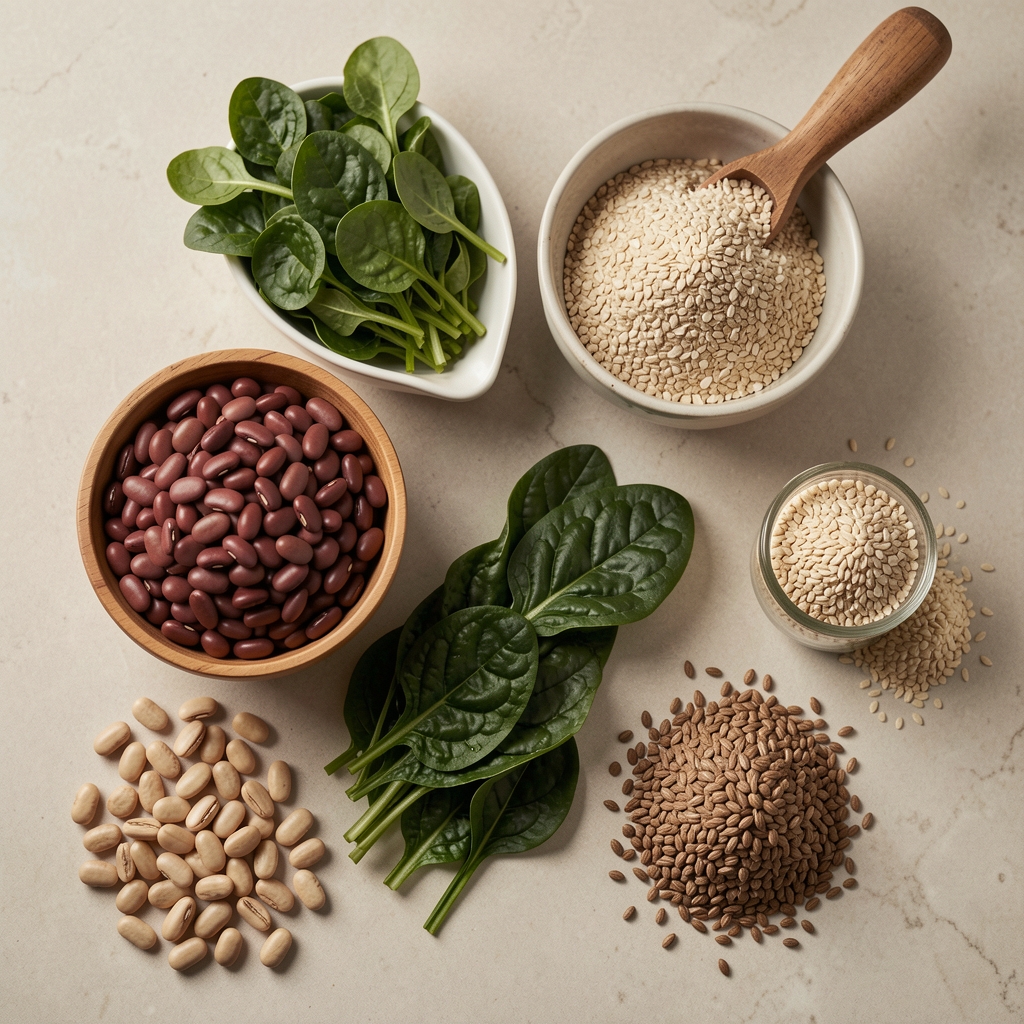
Whole food sources remain the primary context for iron awareness in active men's nutritional habits
Active Routines and the Iron Conversation
The relationship between physical activity and iron is not straightforwardly linear. Some patterns in published research suggest that high-intensity, high-frequency physical training can influence how the body manages iron stores over time. This observation is relevant context for men who sustain demanding physical routines week over week — not because supplementation becomes automatic, but because awareness of intake becomes part of a thoughtful nutritional practice.
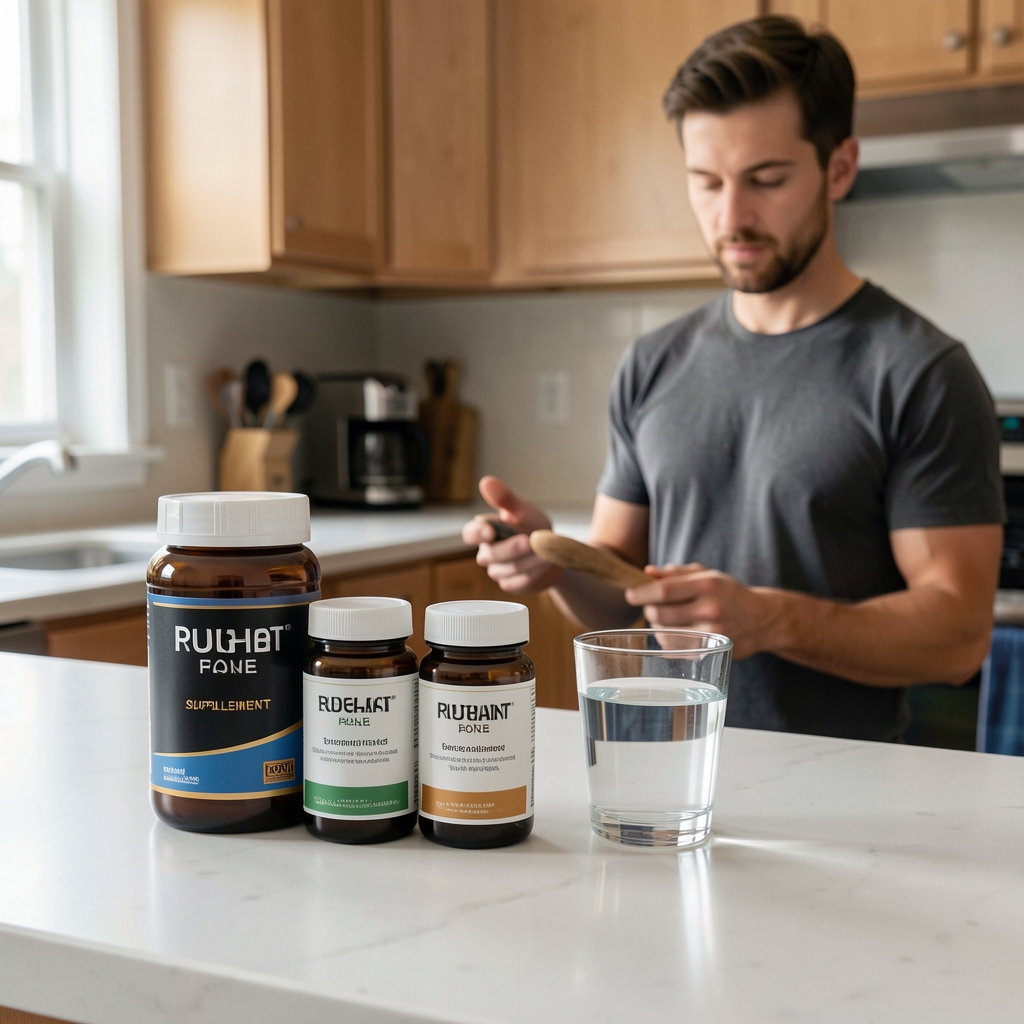
In the supplement review landscape, iron products designed for active individuals are commonly positioned alongside broader men's daily supplement stacks. The editorial tendency is to consider iron not in isolation but in combination with the nutritional context it operates within. Vitamin C, for instance, is well-documented in nutritional literature as supporting iron absorption efficiency — which means a daily supplement routine that includes both is more attentive than one that addresses only one.
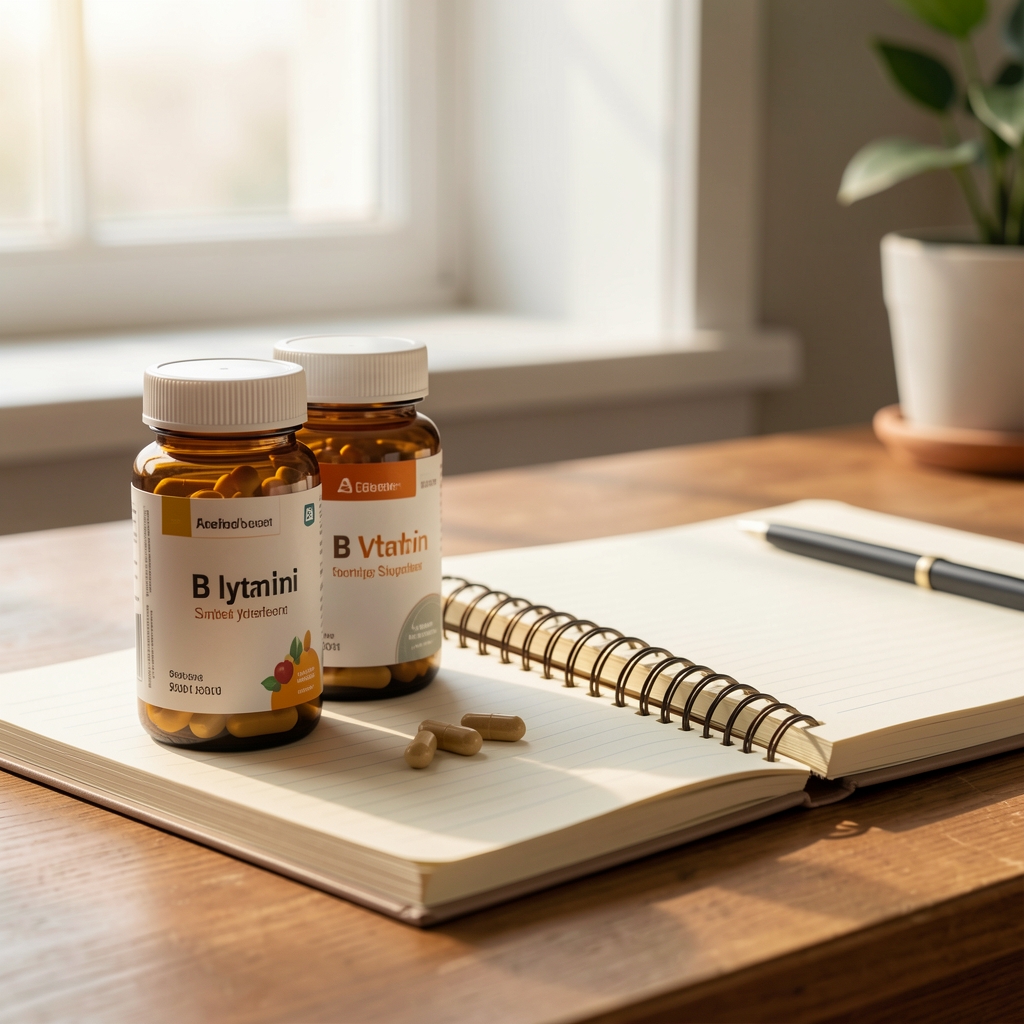
Among the men who maintain supplement journals — a practice this publication has noted in several editorial observations — iron tends to be added to a stack after direct engagement with published nutritional awareness material, rather than from generalised supplement marketing. The impulse is investigative: something in the daily pattern has drawn attention to energy consistency, and the nutritional literature provides a structured context for understanding what might be contributing to that pattern.
"The supplement conversation for active men tends to begin with protein and end with whatever the gym-floor consensus has settled on that month. Iron arrives later, when the daily patterns begin to ask their own questions."
— Budi Santoso, Oravel Journal
What the Published Nutritional Literature Observes
Iron contributes to sustained energy awareness in active routines, a description drawn from the broader body of published nutritional research. This framing is deliberate: the editorial practice of this journal is to reflect the language of the research rather than amplify it into outcome-specific claims. The research documents a contribution; daily individual variation means that contribution plays out differently for each person.
A consistent theme in the nutritional literature is the importance of periodic awareness of iron intake patterns — not daily preoccupation, but periodic attention as part of a broader nutritional review. For men who eat varied, whole-food-led diets and maintain moderate physical activity, iron adequacy is often well-supported. For men who combine high physical output with restricted dietary patterns — whether by choice or by schedule — awareness becomes more actively relevant.
The editorial position of Oravel Journal is not to recommend supplement protocols but to document the patterns that appear consistently in published nutritional research and translate them into an accessible, readable format for men engaged with their daily wellness routine. On iron, the research is clear and consistent: it belongs in a nutritionally aware man's daily considerations, even if it does not always claim the attention of more prominent supplements.
- 01 Iron contributes to sustained energy awareness in active routines, a role documented consistently in published nutritional research.
- 02 Whole food sources remain the primary foundation; supplemental iron is best understood as an addition to a varied diet, not a replacement.
- 03 High-frequency physical training may influence how the body manages iron stores — an observation relevant to men with demanding active routines.
- 04 Vitamin C alongside iron is a well-documented nutritional pairing; a daily supplement routine that includes both reflects more attentive practice.
- 05 Periodic awareness of iron intake — rather than daily preoccupation — is the editorial recommendation drawn from published nutritional guidance.
Building Iron Awareness Into a Daily Supplement Stack
For men who have already established a daily supplement stack — perhaps centred on protein, omega-3, and vitamin D — the question of where iron fits is less about stacking logic and more about dietary context. The decision to include an iron supplement, and at what level, is best approached through consultation with a qualified wellness professional who can assess individual intake patterns and nutritional needs.
The editorial observations collected in this journal suggest a pattern: men who supplement iron thoughtfully are typically those who have identified a specific nutritional gap through attentive dietary journalling, rather than those who have adopted it by default. This selectivity is editorially commendable. Iron is not a nutrient where more is straightforwardly better — the published nutritional research documents clear upper limits to adequate intake, and the editorial context for this article is awareness, not advocacy.
A practical approach that emerges from the published literature: men who maintain consistent physical activity and eat varied diets are well-served by periodic nutritional review rather than reactive supplementation. When iron does enter a supplement stack, it typically does so as part of a broader reassessment of the daily routine — not as an isolated addition but as one piece of a more deliberate nutritional approach.
An Editorial Note on Supplement Journalling
The practice of recording daily supplement intake — the timing, the combinations, the contexts in which certain habits feel more or less effective — is one that this journal returns to repeatedly. For iron specifically, a journal entry might simply note the dietary sources of the day, the intensity of the physical activity completed, and any observable patterns in energy consistency across the afternoon.
These observations do not constitute evidence in any formal sense. They are, however, personally useful data points that can inform a more intelligent conversation with a qualified nutrition professional and contribute to a more attentive daily supplement practice. The value of supplement journalling is not that it replaces expert guidance — it is that it makes the engagement with that guidance more specific and more productive.
Iron, then, is not merely a supplement category to be aware of in the abstract. It is a nutritional variable that intersects with physical output, dietary variety, and the accumulated pattern of daily choices. The editorial intention of this article has been to place it within that wider context — not as a solution to any particular concern, but as a legitimate and often overlooked dimension of thoughtful nutritional awareness for active men.